A journey through infinity in search of your place in the Universe.
Gazing into Infinity
Pause for a moment. Look up at the night sky. Billions of stars, each a vast world full of mysteries. Since ancient times, humanity has gazed upward and given names to what they saw. Ursa Major, Orion, the Pleiades — these names have survived millennia. But behind every famous constellation, behind every well-known nebula, lie thousands of nameless worlds. They have only impersonal alphanumeric codes in astronomical catalogs. Today, you have a unique opportunity to change that — to give a name to one of these worlds, forever inscribing your name in the history of the cosmos.
Chapter 1. The Eye of Humanity: The Hubble Telescope
The magnificent images you see below were made possible by a unique instrument — the Hubble Space Telescope (HST). Launched in 1990, it became one of the most significant scientific tools in history. Operating beyond Earth’s distorting atmosphere, Hubble has gifted us with images of unprecedented clarity, allowing us to peer into the deepest corners of the Universe and witness what was once hidden from human eyes.
Thanks to Hubble, we have refined the age of the Universe, observed a comet’s collision with Jupiter, and captured legendary images. This telescope, named after astronomer Edwin Hubble, stands as a true sentinel in orbit, continuing its journey through time and space.
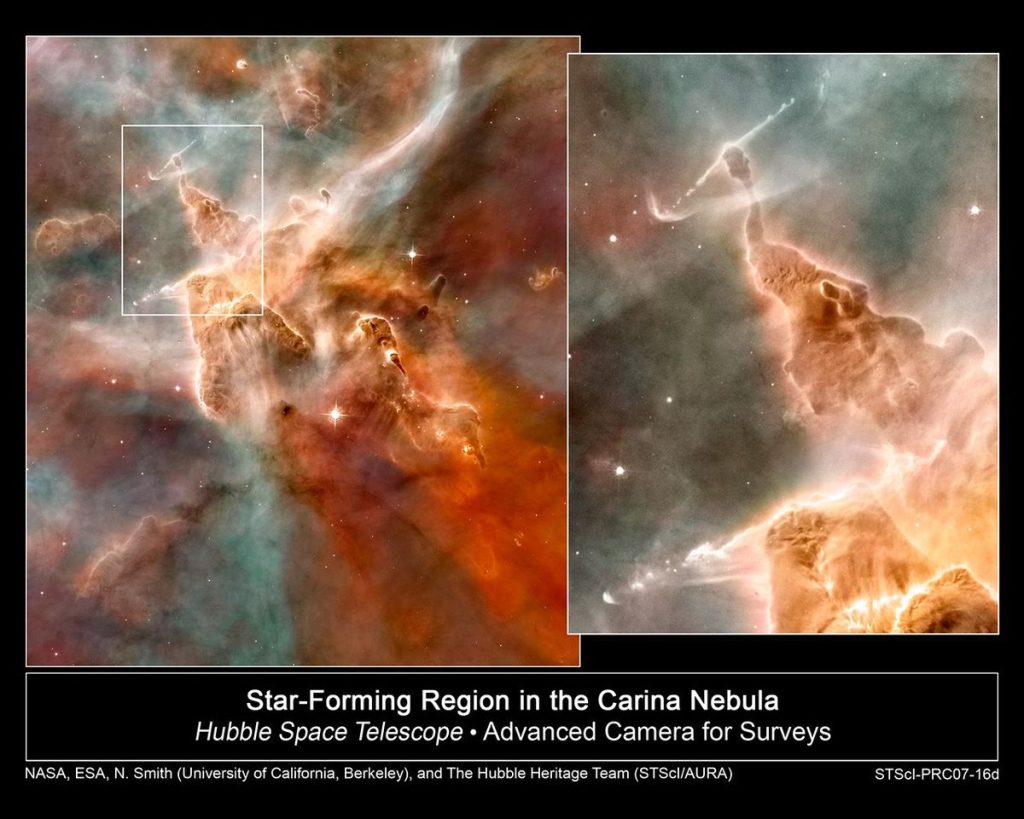
The Carina Nebula is one of the brightest and largest nebulae in our sky. But did you know that within this giant cloud of gas and dust, hundreds of new stars are forming, none of which have names yet? Only dry catalog designations. One of them could receive a name — the one you choose.
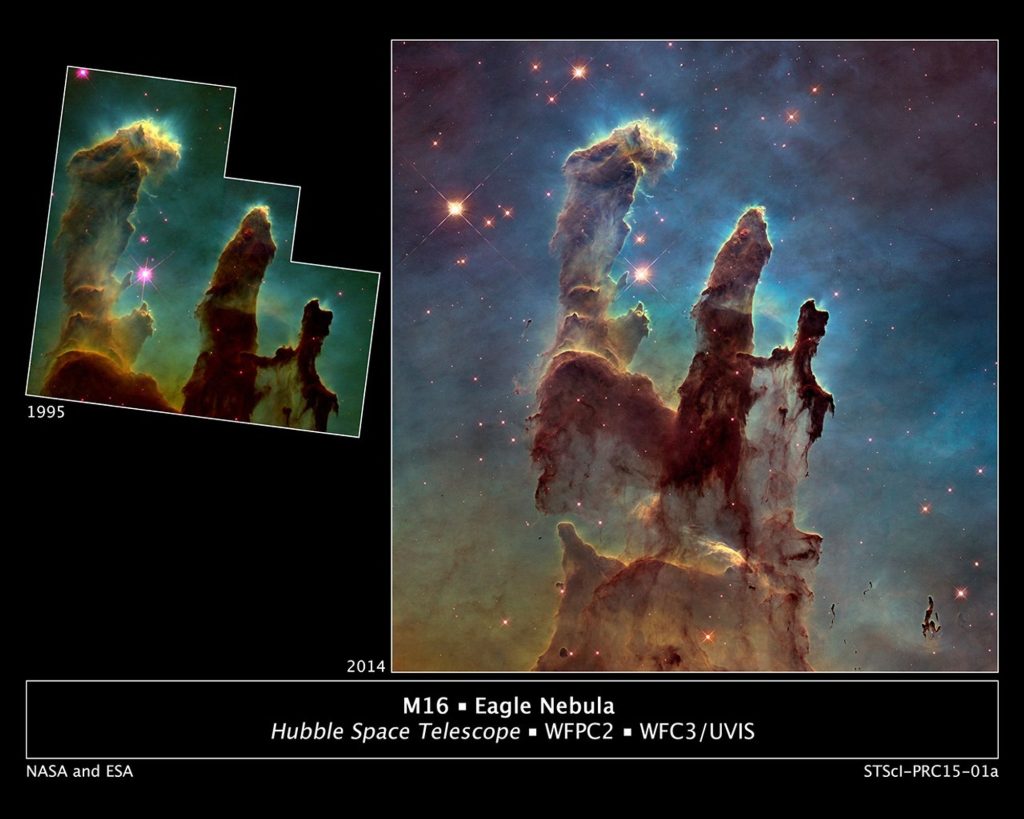
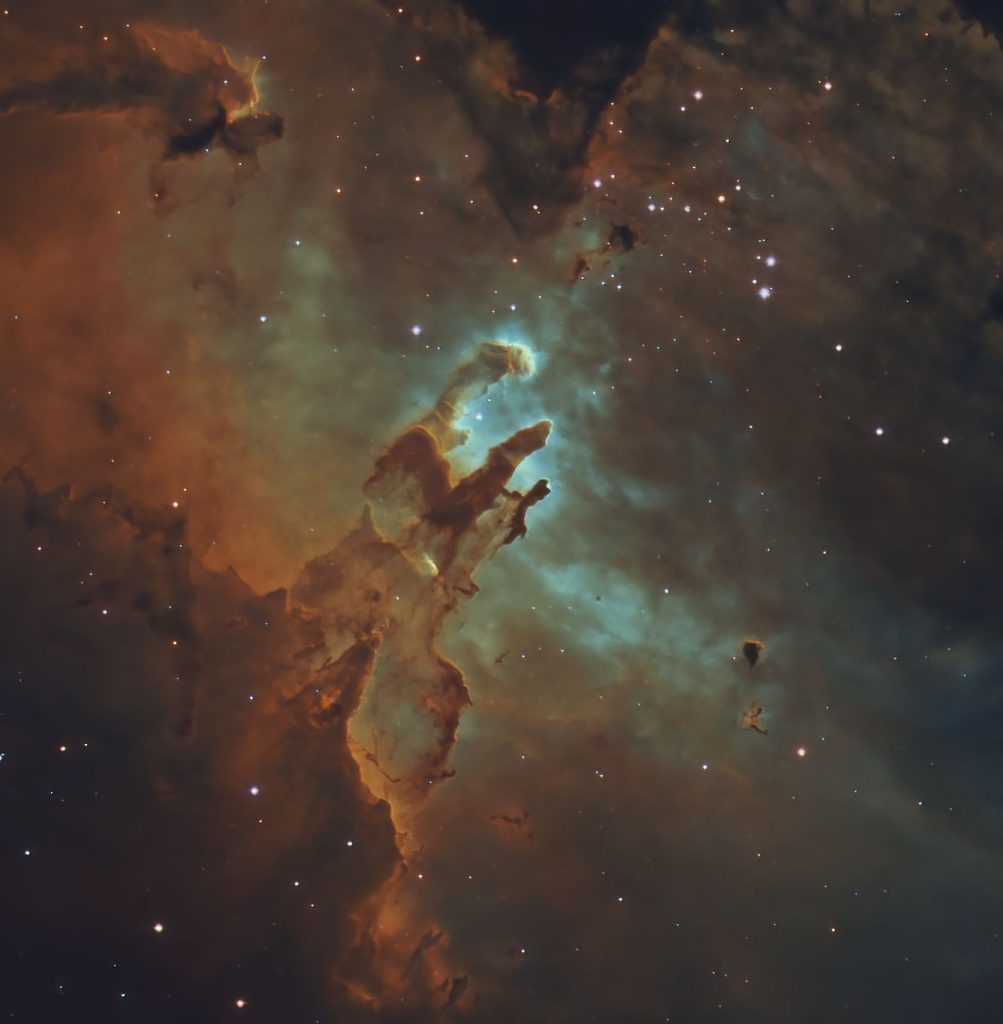
The Pillars of Creation — a legendary image. But few know that dozens of protostars are being born within these colossal columns. They have no names — only scientific designations. Naming such a newborn star means becoming part of the act of creation itself.
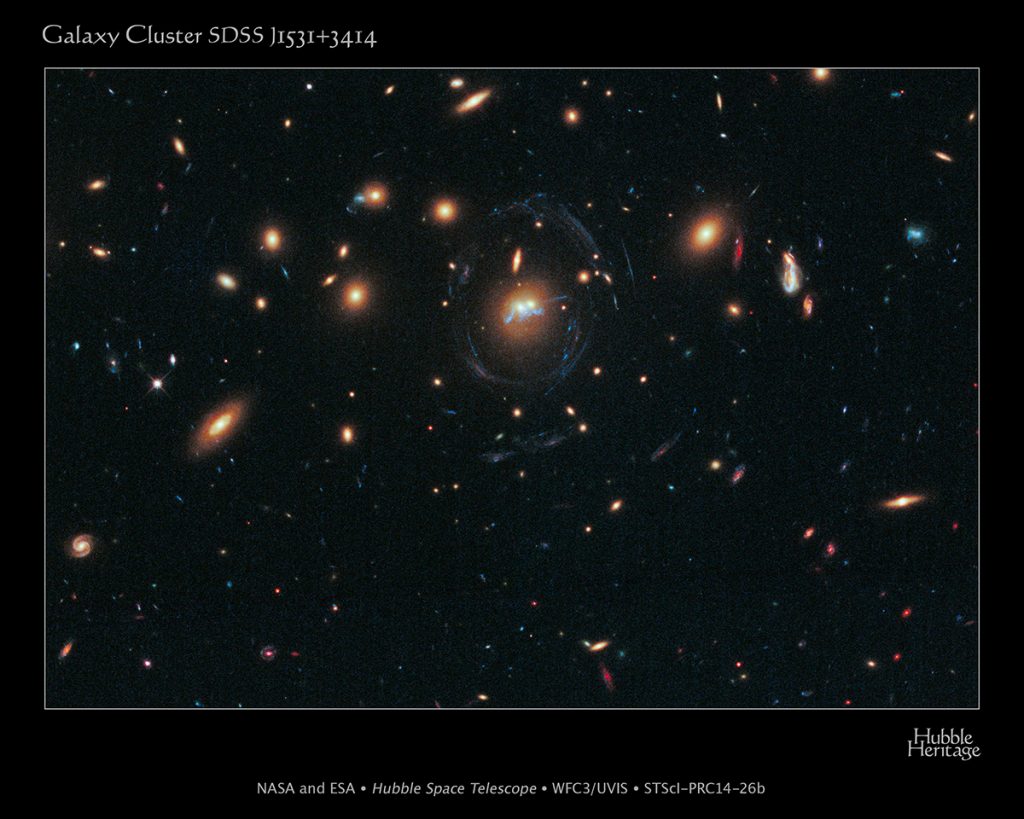
The galaxy cluster SDSS J1531+3414 — a vast cosmic metropolis composed of hundreds of galaxies. Each of them has only a catalog number. Imagine that one of these galaxies could bear your name.
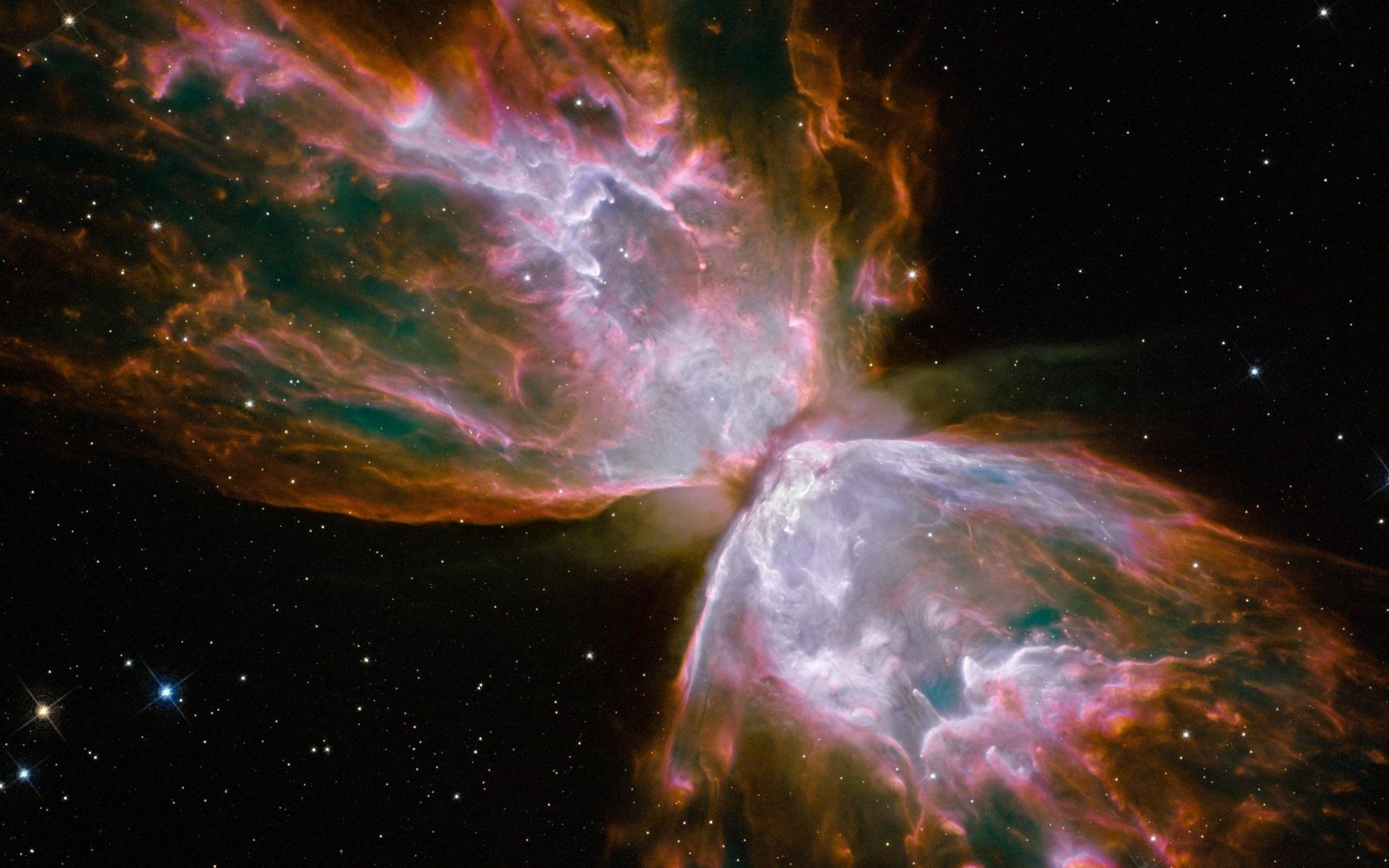
The Butterfly Nebula (NGC 6302) is a famous object. But look closely: the star at the center of this image — the star that shed its outer layers — remains nameless. In catalogs, it’s merely listed as the central star of NGC 6302. You could give it a name.
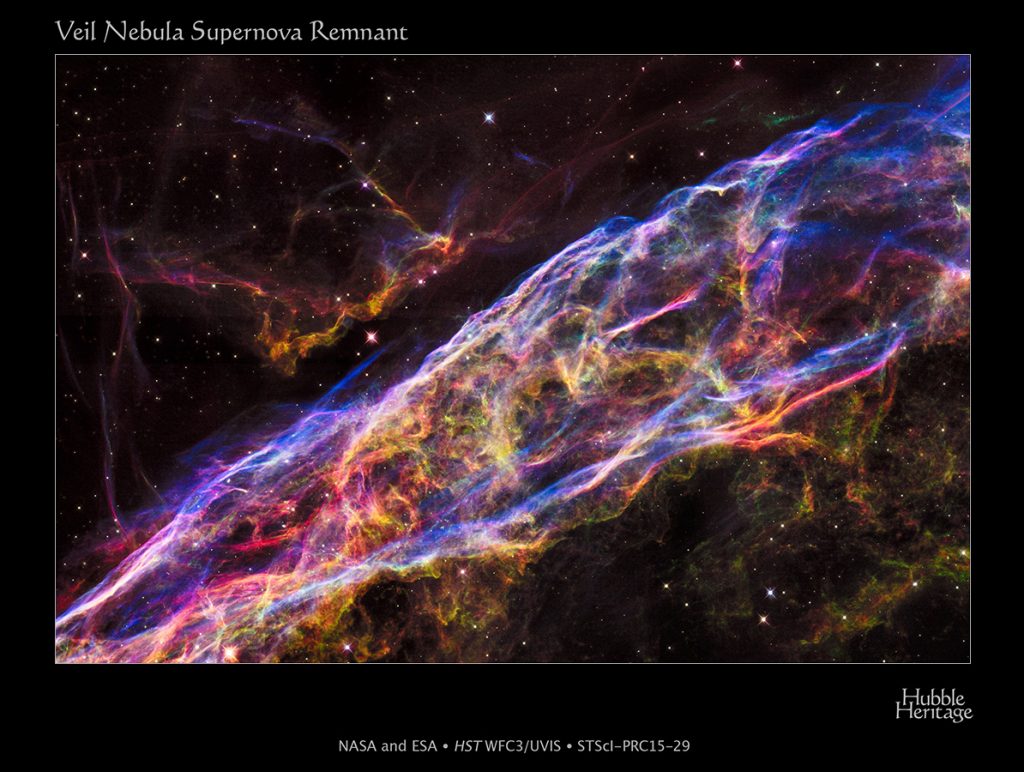
The Veil Nebula — the remnant of a supernova that exploded thousands of years ago. Its delicate, lace-like structures stretch across dozens of light-years. Yet individual filaments of this nebula, visible only through powerful telescopes, remain unnamed. One of them could receive your name.
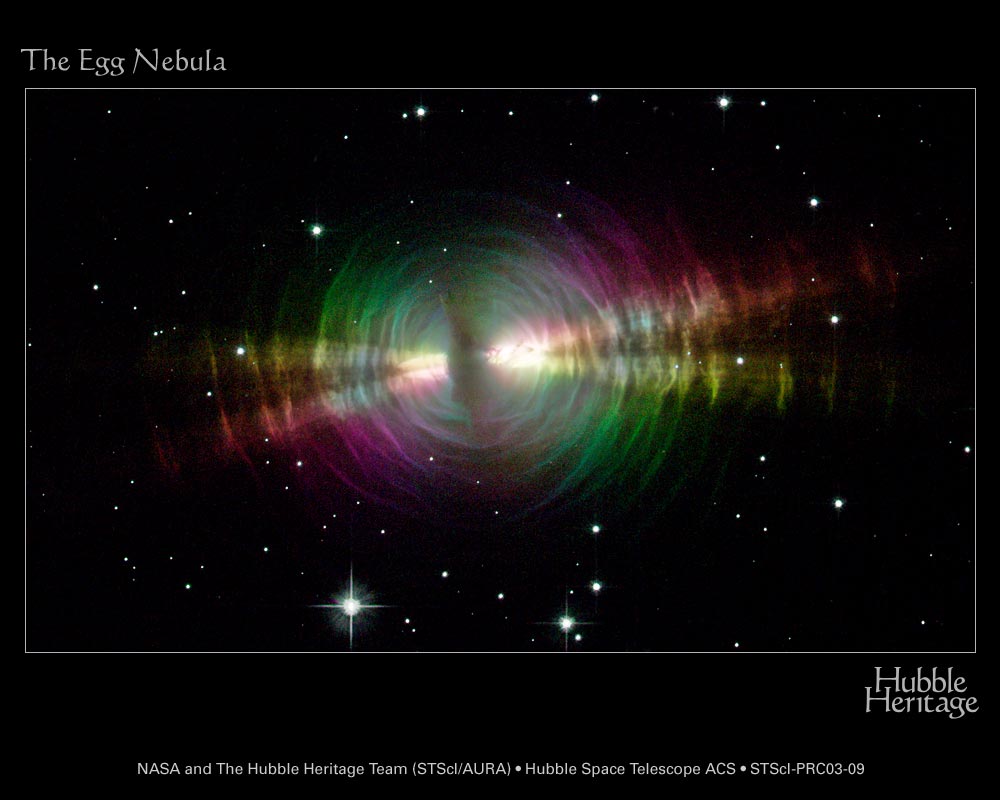
The Egg Nebula — a famous protoplanetary nebula. But the star at its heart, the one shedding its outer layers and creating all this beauty, remains anonymous. It has only a catalog designation. You could give a name to this dying star.
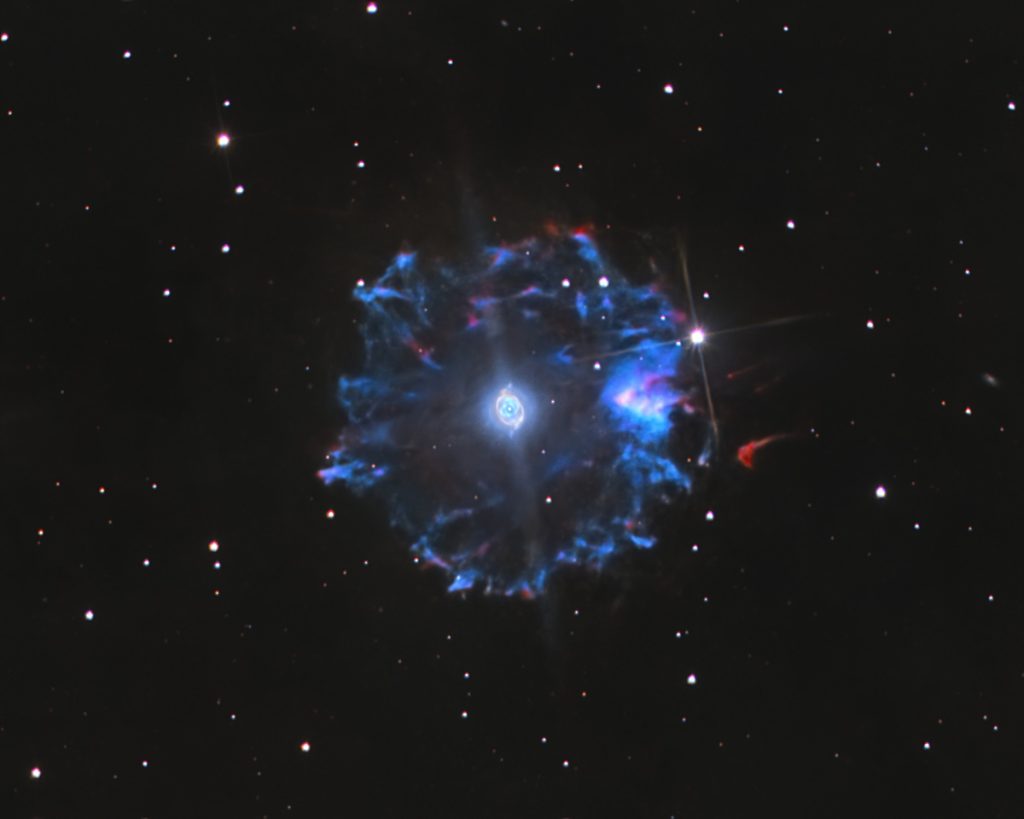
The Cat’s Eye Nebula (NGC 6543) astonishes with its complex structure. But its outer halos — shells of material ejected by the star thousands of years ago — remain completely nameless. This cosmic phantom awaits a voice: your name.
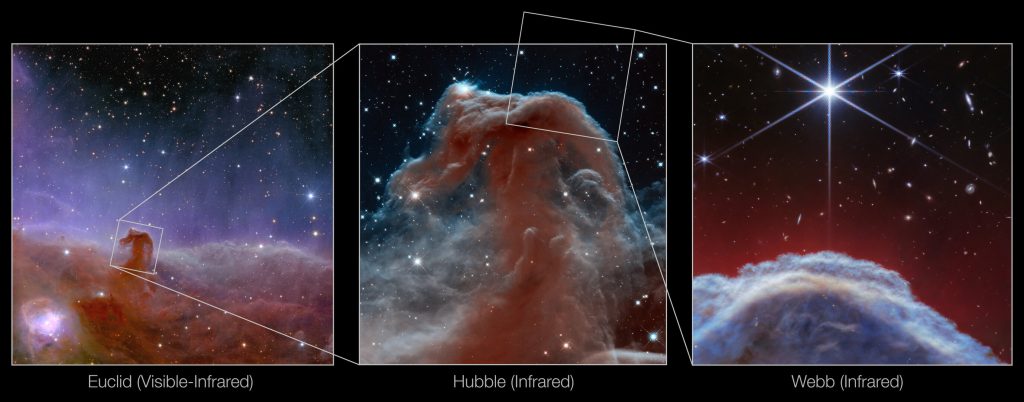
The Horsehead Nebula is instantly recognizable. But few notice the stars that shape its famous silhouette. One of those stars — an anonymous catalog entry — could become your personal “Horsehead.”
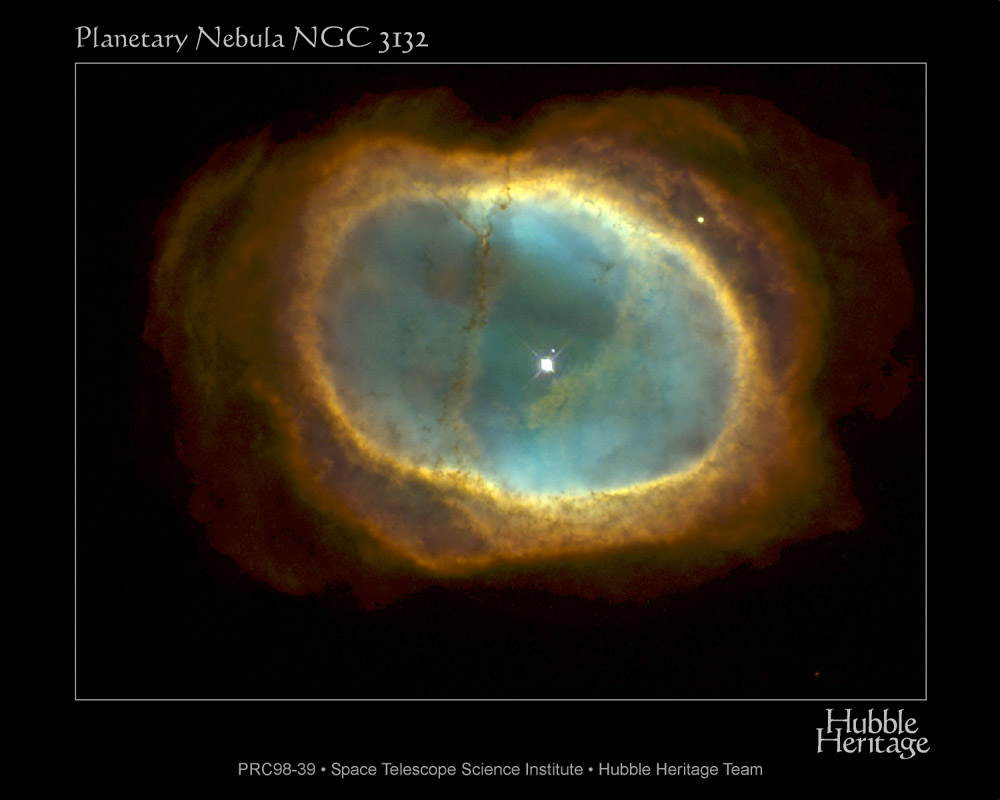
Planetary Nebula NGC 3132, also known as the “Southern Ring.” Its central star — a white dwarf that was once like our Sun — has no name. Only a number. You could give this fading ember a name.
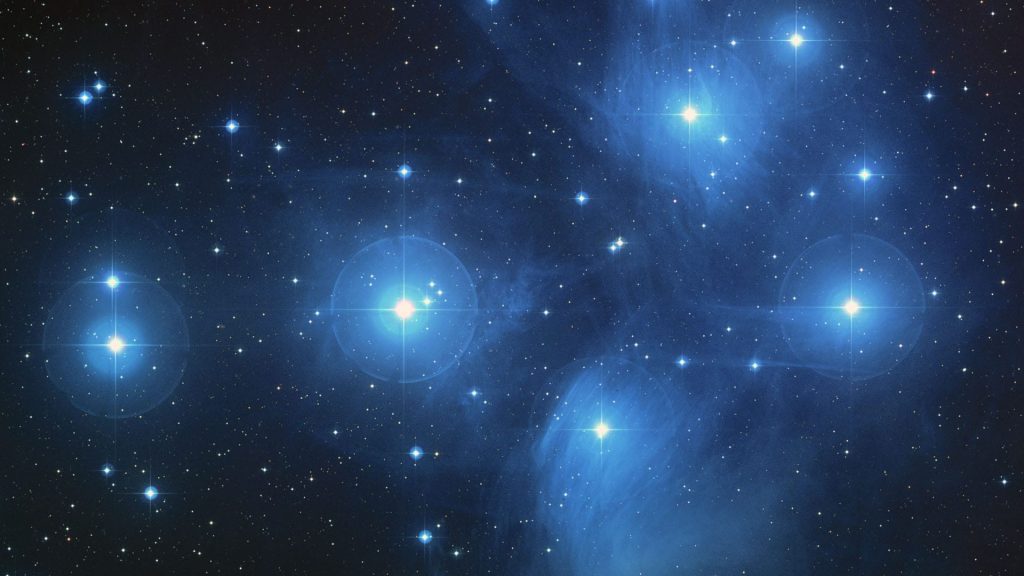
Naming a star in the sky — is there a more profound way to leave a mark on eternity? Look at this starry landscape. Somewhere here, a star is waiting just for you.
Chapter 2. Why Naming Matters
Since time immemorial, humans have named everything around them. Names give power, meaning, and identity. We name mountains, rivers, and oceans. We give names to our children, our pets, even our cars. But naming a star or a galaxy is something infinitely greater. It means leaving a mark on eternity.
Stars live for billions of years. They will outlast civilizations, countries, languages. And if a star bears your name or the name of someone dear to you, that name will echo through the Universe long after we have all returned to stardust. This is not merely a symbolic act — it is a bridge between our mortal existence and the infinite cosmos.
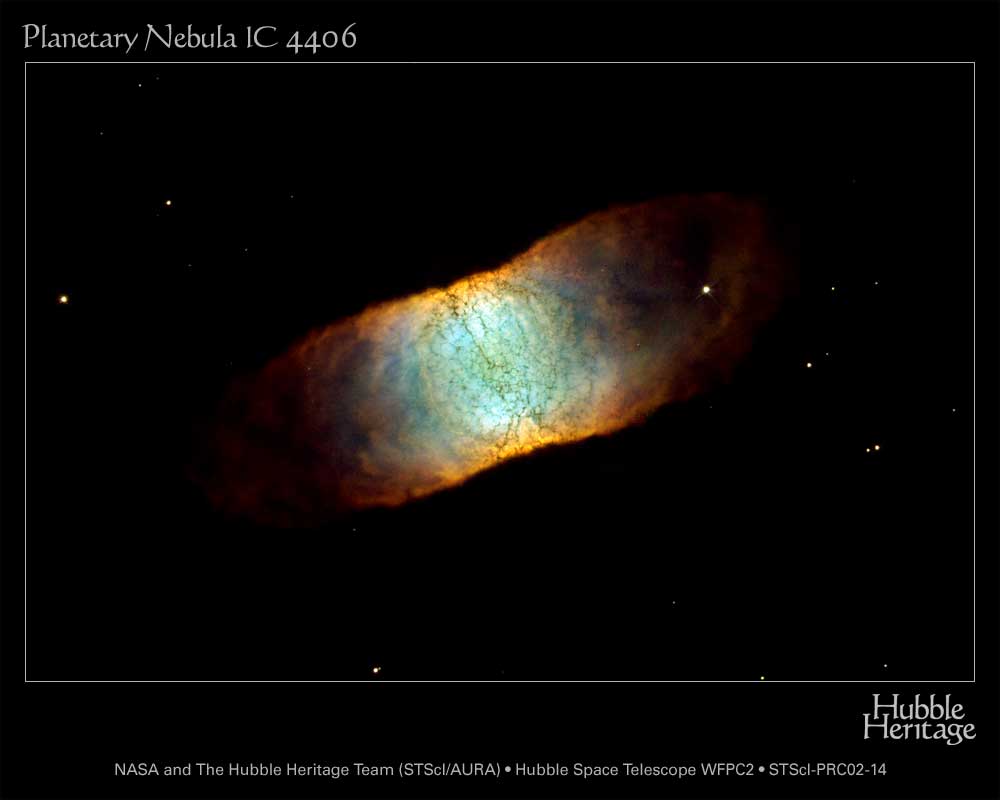
Planetary Nebula IC 4406, known as the “Retina Nebula.” Its unusual shape draws the eye, but the star at its center — the creator of this beauty — is nameless. Only a catalog number. You could give it a name.
The Pleiades star cluster has been known since antiquity. Maia, Taygeta, Electra, Merope… these names have traveled down the centuries. Yet alongside them in this same cluster lie hundreds of fainter stars with no names at all — only catalog entries. One of them awaits the name you will give it, a name that could also journey through the ages.
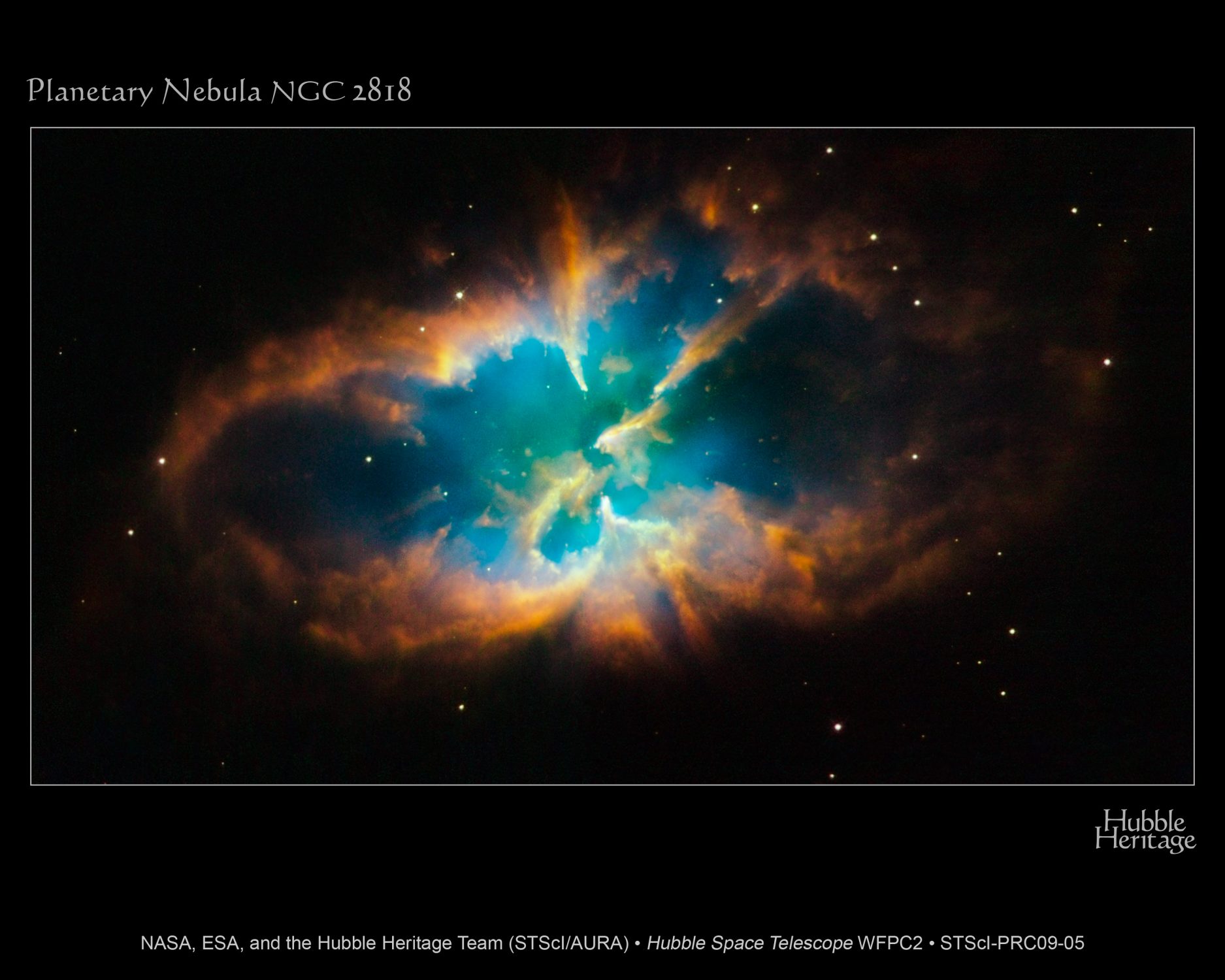
Planetary Nebula NGC 2818. Its colorful filaments are the remains of a star that ended its journey. The star itself has transformed into a white dwarf, but it has no name — only coordinates. You could give it a name as a gift.
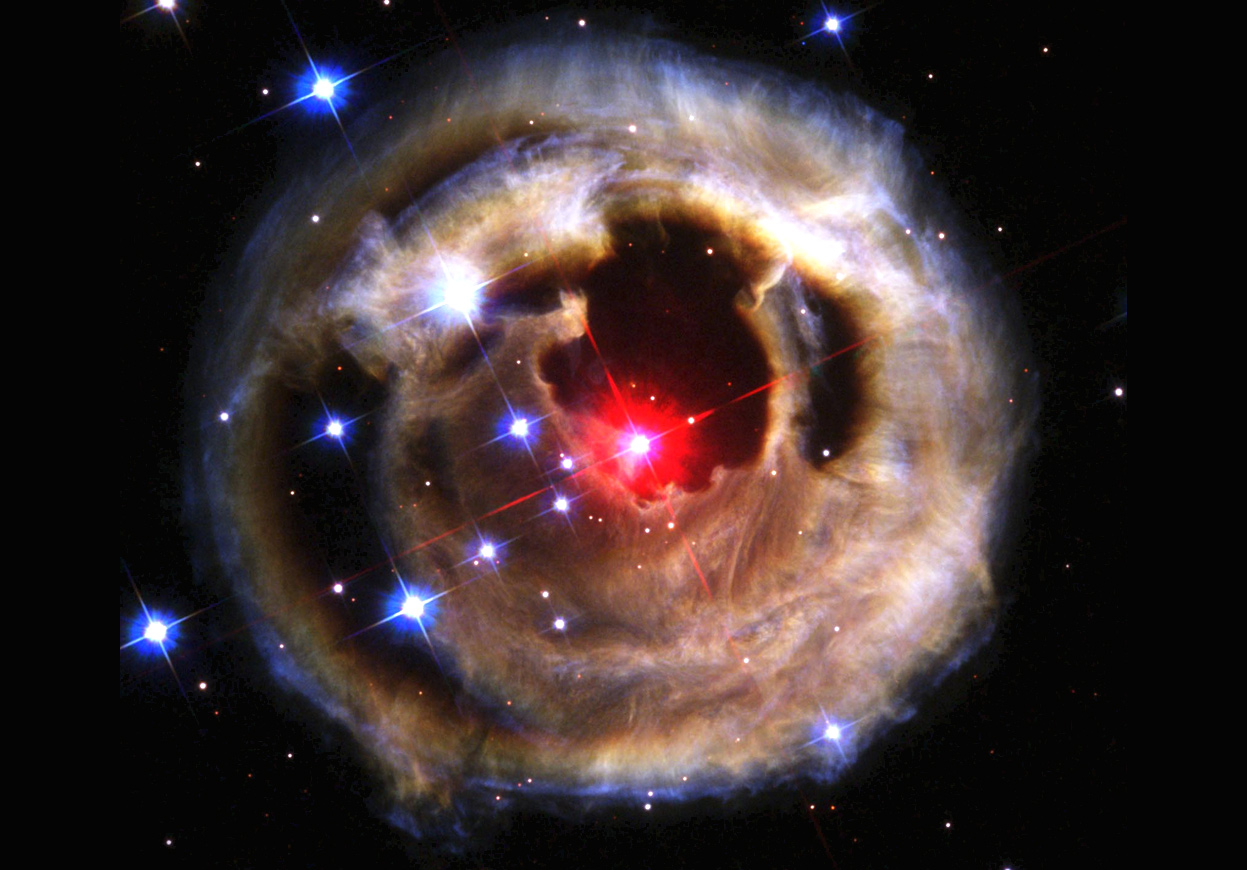
V838 Monocerotis — a star that experienced a mysterious outburst, surrounding itself with a light echo. This unique star has only a catalog number. You could give it a name that will be remembered.
Chapter 3. What Can Be Named?
It’s important to understand: we do not rename famous objects. The Andromeda Galaxy will forever remain Andromeda, and the Orion Nebula will always be Orion. But within these giants, beside them, and around them exist thousands upon thousands of nameless worlds:
- Stars in distant galaxies, known only by catalog numbers.
- Globular clusters orbiting famous galaxies.
- Protostars just beginning to form within nebulae.
- Supernova remnants expanding across space.
- Faint stars in famous clusters, overshadowed by their brighter neighbors.
These “nameless suns” await their moment. They wait for you to give them a name — to transform them from a line in a catalog into an object with a history and a soul.
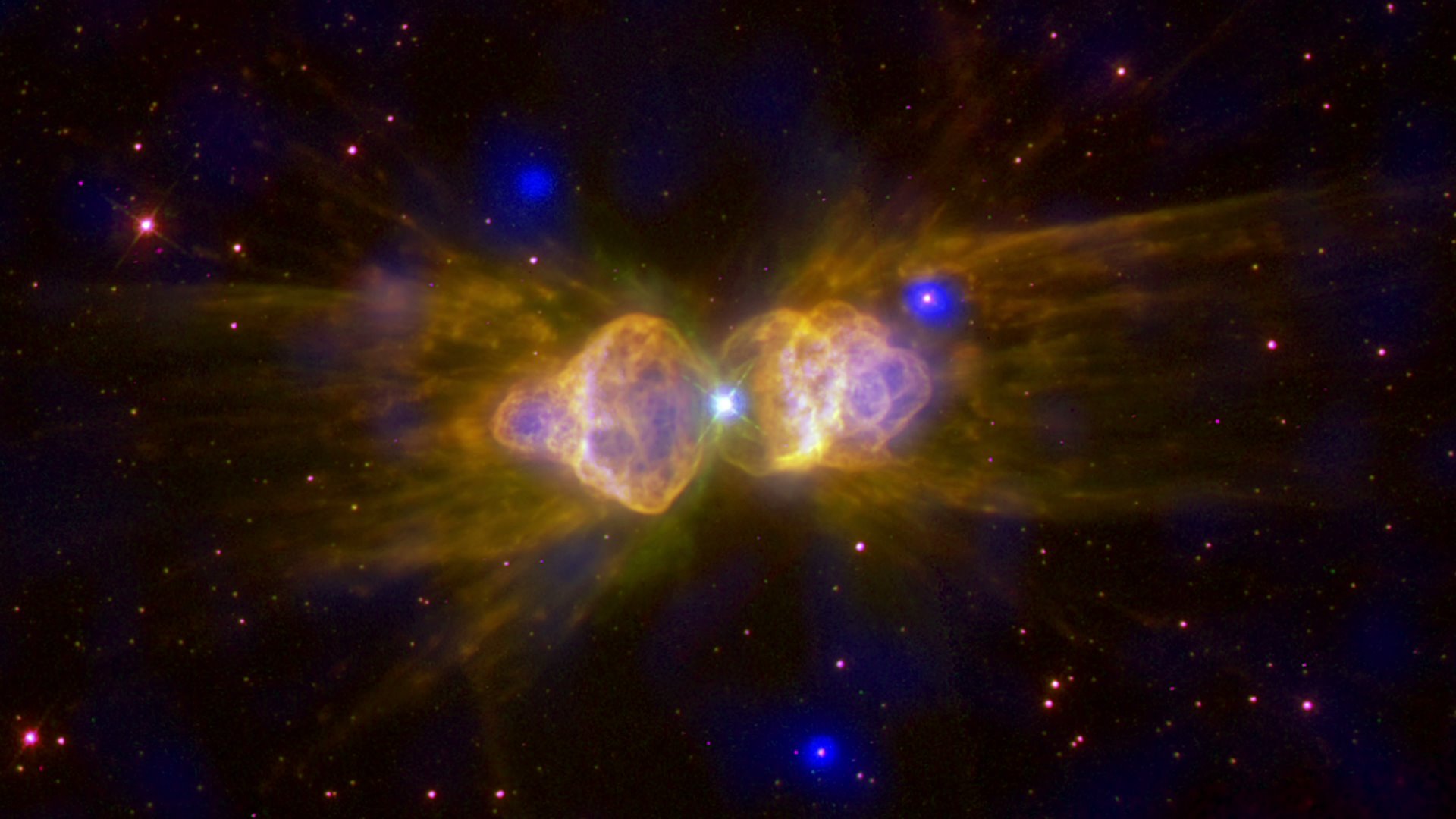
The Ant Nebula (Mz 3) — a remarkable bipolar nebula resembling the head and body of an ant. The star at its center, which created this intricate structure, is nameless. You could give it a name.
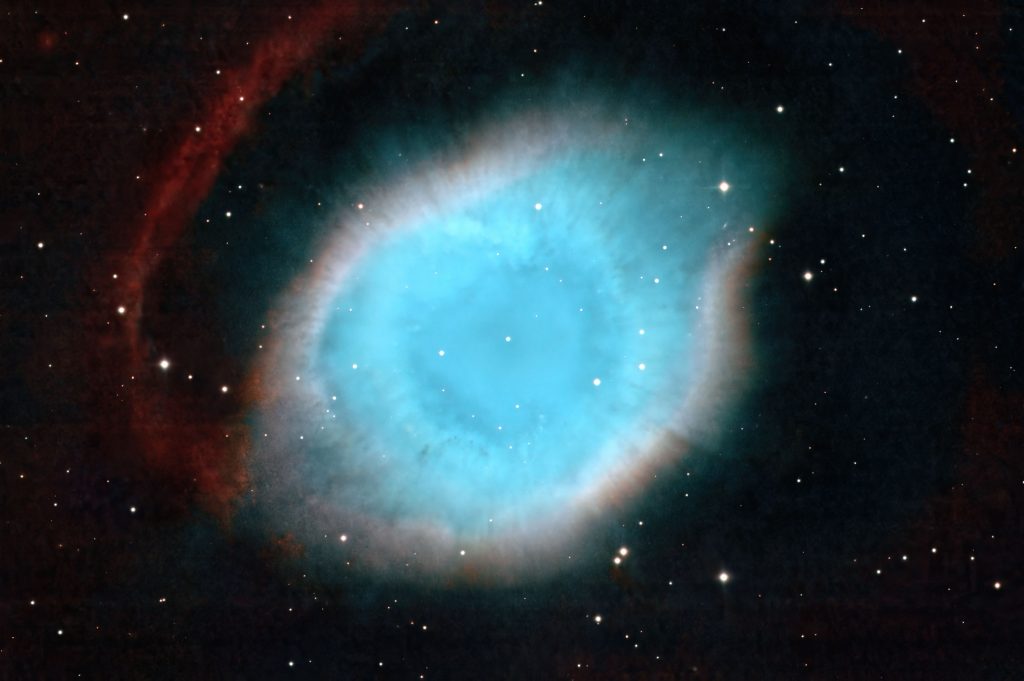
The Helix Nebula (NGC 7293) is enormous — its light spreads across 2.5 light-years. But the central star that created this beauty, having shed its outer layers, is dying alone. It has no name — only a number. You could give it a name.
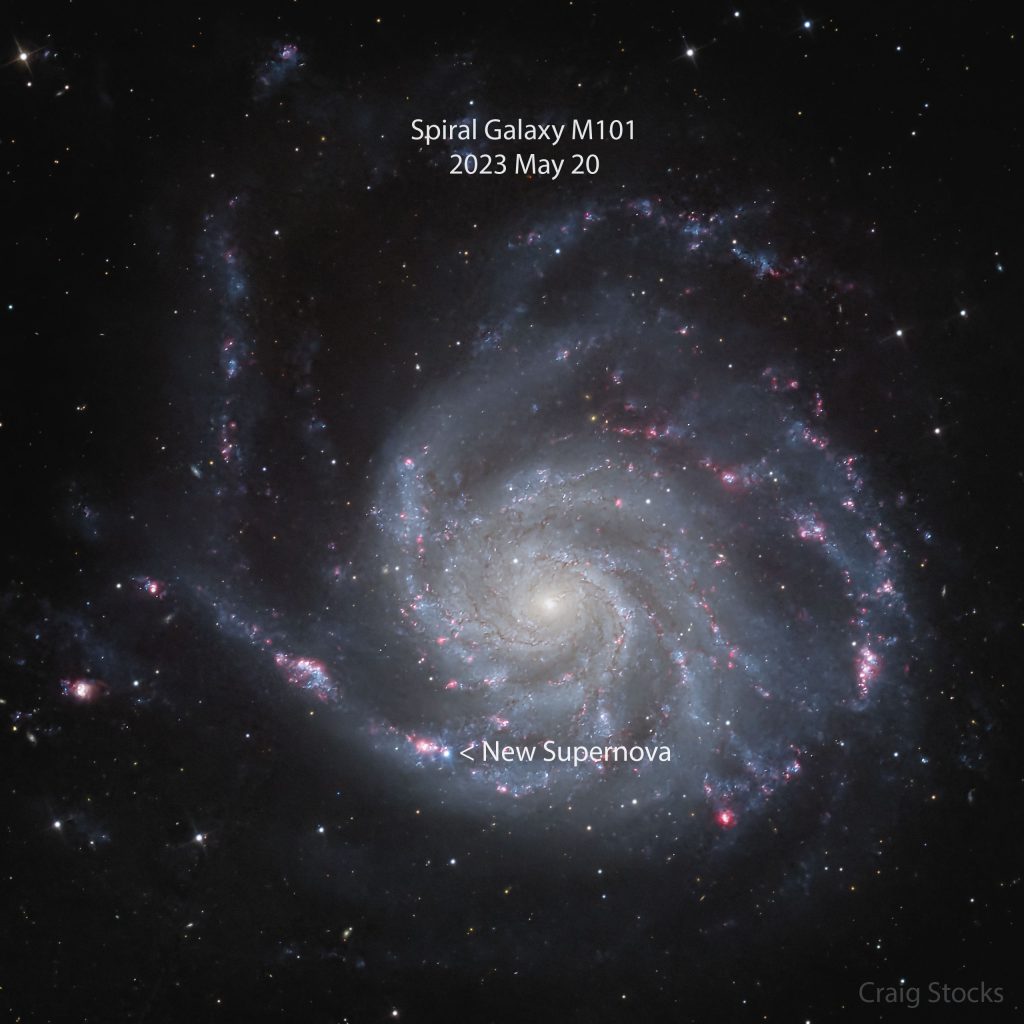
The Pinwheel Galaxy (M101) recently hosted a supernova. That star is now gone. But millions of other stars in this galaxy continue to shine, unnamed. One of them awaits you.
The Eagle Nebula and its Pillars of Creation. Dozens of stars are forming within these pillars. They have not yet ignited, but someday they will shine. They have no names — only coordinates. Give a name to a future sun.
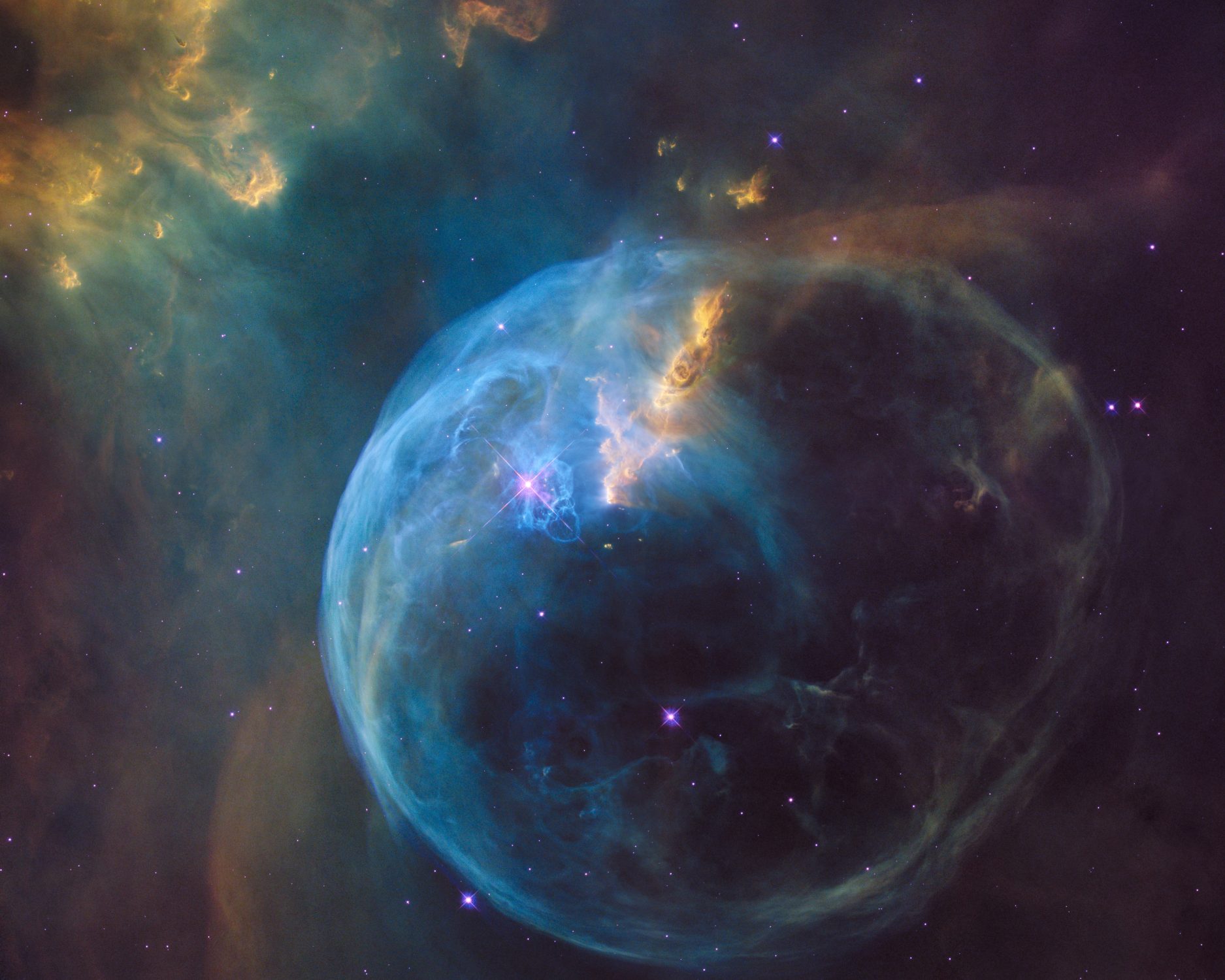
The Bubble Nebula (NGC 7635) — a cosmic bubble blown by a powerful stellar wind. The star that created this bubble is bright and massive, but it has no name — only a number. You could give it a name.
Epilogue: The Step That Changes Everything
Together, we have journeyed through the vast expanses of the Universe. We have witnessed the birth and death of stars, the dance of galaxies, and the intricate patterns of nebulae. Now, a question for you: are you ready to leave your mark on this infinity?
Naming a star does not mean renaming a famous object. It means finding one that has remained in the shadows and bringing it into the light. Giving a voice to the silent. Transforming a faceless catalog entry into a name that will resonate forever.
This is where The International Catalogue of Heavenly Bodies (ICHB.ORG) fulfills its mission. For centuries, astronomical data has been scattered across thousands of catalogs, observatories, and research institutions — a fragmented map of the cosmos. ICHB.ORG was created to unite this knowledge, to build a single, comprehensive registry where every named object finds its place. We are not just cataloging the universe; we are weaving together the threads of human curiosity, scientific discovery, and personal legacy into one cohesive record that will serve generations to come.
Our work ensures that when you name a star, that name is preserved not in isolation, but as part of a grand, unified celestial archive. It connects your personal story to the broader narrative of humanity’s quest to understand the cosmos. Every name added to our catalog is a testament that we, as a species, refuse to let the universe remain silent and anonymous.
This is an act of significance. It is an acknowledgment that you are part of this world, part of this Universe. It is a gift that time cannot erase. A memory that will outlast centuries. Your personal contribution to the great book of astronomy — a book humanity will continue to write for as long as we gaze at the stars.
Do not miss this chance. Among millions of nameless stars, there is one waiting especially for you. Choose an object, give it a name, and from that night onward, when you look at the sky, you will know — somewhere out there, among billions of stars, one bears the name you gave. And it will shine forever.
Your eternity begins today